

 CLICK HERE TO BOOK APPOINTMENT
Healing from gambling addiction Steps to reclaim your life
Healing from gambling addiction Steps to reclaim your life
Understanding Gambling Addiction
Gambling addiction is a complex condition that can deeply affect various aspects of a person’s life. It often starts innocently, with casual gambling or social bets, but can escalate into a harmful obsession. Many people dream of high-stakes gambling experiences, but individuals may feel a compulsive urge to gamble, often driven by the false hope of winning big or recovering losses. This addiction can lead to devastating consequences including financial ruin, strained relationships, and emotional distress. With options available like MegaRich Casino, players must consider the risks involved.
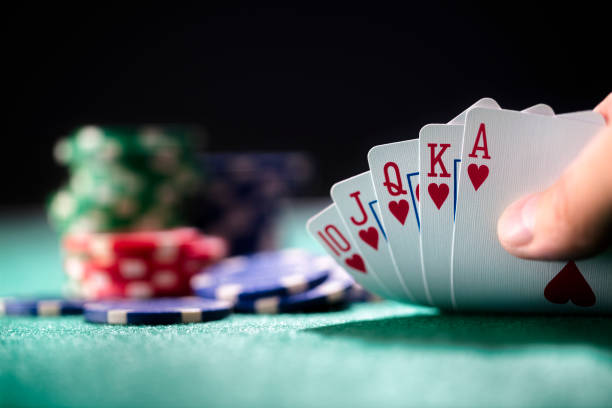
Recognizing the signs of gambling addiction is the first step towards healing. Common indicators include preoccupation with gambling, an inability to stop despite negative consequences, and using gambling as a way to escape problems. Family members and friends may notice changes in behavior, such as secrecy around finances or withdrawal from social activities. Understanding these signs can empower both the individual and their loved ones to take action.
It is crucial to understand that gambling addiction is not just a lack of willpower. It often stems from underlying psychological issues, such as anxiety, depression, or trauma. By acknowledging that gambling addiction is a legitimate mental health disorder, individuals can approach their recovery with the seriousness it deserves, thereby laying the groundwork for lasting change.
Seeking Help and Support
Reclaiming one’s life from gambling addiction often begins with seeking professional help. This can take many forms, from therapy and counseling to support groups. Cognitive Behavioral Therapy (CBT) has proven particularly effective as it helps individuals identify harmful thought patterns and develop coping strategies. Additionally, therapy provides a safe space to explore the emotional factors contributing to the addiction.
Support groups like Gamblers Anonymous can also be invaluable resources. These groups provide a community of individuals who understand the struggle of gambling addiction. Sharing experiences and coping strategies can make the journey feel less isolating. Many find solace in the collective wisdom of the group, encouraging accountability and commitment to recovery.
Involving family and friends can significantly enhance the recovery process. Loved ones can offer emotional support, encouragement, and a sense of accountability. Open and honest communication about the addiction can help rebuild trust and strengthen relationships that may have been damaged. Creating a strong support network is essential for fostering healing and resilience.
Implementing Lifestyle Changes
Implementing lifestyle changes is a critical step in overcoming gambling addiction. One effective approach is to establish new hobbies or activities that provide a sense of fulfillment and joy. Engaging in sports, arts, or volunteering can fill the void left by gambling and help redirect focus. Finding positive outlets for stress and anxiety can also significantly reduce the temptation to gamble.
Additionally, managing finances is essential. Individuals in recovery should consider setting up strict budgets, closing gambling accounts, and seeking financial advice. Financial planning can prevent impulsive decisions that may lead back to gambling. Learning about responsible budgeting empowers individuals to regain control over their lives and fosters a sense of security.
Mindfulness practices such as meditation and yoga can also support recovery. These techniques promote self-awareness and emotional regulation, making it easier to cope with cravings and triggers. Building a healthier mindset through mindfulness can empower individuals to navigate their recovery journey with resilience and clarity.
Facing Relapses and Challenges
Relapses are common during the recovery process and should not be seen as failures. Recognizing that recovery is a journey with ups and downs is crucial. Individuals must learn to identify their triggers and develop strategies for coping with them. Keeping a journal can help track emotions and situations that lead to the urge to gamble, facilitating proactive management of these moments.
Building a robust self-care routine is another powerful strategy for managing challenges. This could involve regular exercise, balanced nutrition, and adequate sleep—all of which contribute to overall well-being. Additionally, developing problem-solving skills can empower individuals to face stressors head-on without resorting to gambling as a coping mechanism.
Reaching out for support during difficult times is vital. Those recovering from gambling addiction should not hesitate to reconnect with their support networks, whether friends, family, or support groups. Open discussions about their feelings and struggles can alleviate the burden of isolation and promote healing. Remember, asking for help is a sign of strength, not weakness.

Online Resources and Communities
In the digital age, numerous online resources are available for individuals recovering from gambling addiction. Forums and websites dedicated to gambling addiction provide valuable information and support. These platforms allow individuals to share experiences and gain insight from others who have walked a similar path, fostering a sense of community and understanding.
Online therapy options have also emerged as a viable solution for those who may not have access to in-person support. Virtual counseling offers flexibility and convenience, allowing individuals to seek help from the comfort of their homes. Many licensed professionals specialize in treating gambling addiction and can provide tailored strategies for recovery.
By engaging with online communities, individuals can find the motivation and encouragement they need to reclaim their lives. The anonymity of online forums can offer a safe space for sharing vulnerabilities and success stories, reinforcing the idea that recovery is possible and attainable.